Ingredient Guide

Plant Compounds

Plant compounds are natural phytonutrients found in fruits, vegetables, herbs, and spices that include groups like polyphenols, flavonoids, and carotenoids. These substances support the body's antioxidant defenses, inflammation regulation, and immune health, making them popular for those seeking overall wellness and healthy aging.

2 related supplements 1 related articles Ingredient database

Plant Compounds

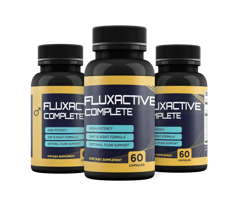
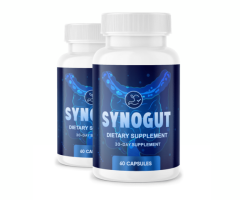
Explore supplement formulas that feature this ingredient and compare useful context before you choose a product.

2Products
1Articles
Ingredient guide

Plant Compounds

What it is: Plant compounds are a diverse class of natural phytonutrients present in plant foods such as polyphenols, flavonoids, carotenoids, and terpenes. They are not essential vitamins or minerals but are studied for their biological activity in the body.
What it does: These compounds may help neutralize free radicals as antioxidants, support the body's inflammation response, and contribute to immune, cardiovascular, and cellular health.
How it is used: They are commonly used in supplements for overall wellness, antioxidant support, healthy aging, immune balance, and cardiovascular maintenance.
Natural sources and supplement forms: Plant compounds occur naturally in foods like berries, citrus fruits, dark leafy greens, tomatoes, green tea, and various herbs and spices. Supplements often feature concentrated extracts, powders, or standardized blends of specific phytonutrients.
Why it appears in supplement formulas: Their inclusion in supplements leverages their unique properties to help support antioxidant defenses, promote cellular integrity, and aid the body's natural inflammation balance.
What to know before use: Plant compounds are well tolerated by most, but certain concentrated extracts or high doses may cause digestive upset or interact with some medications; seek medical advice if you have concerns.
Interesting Fact

Plant Compounds: Nature's Colorful Defenders

Plant compounds such as polyphenols and flavonoids are responsible for the vivid colors in fruits and vegetables—from the deep reds of tomatoes to the bright greens in leafy vegetables. These compounds act as antioxidants in the body, helping to protect your cells from everyday oxidative stress encountered from pollutants and normal metabolism, making them a popular ingredient in daily wellness supplements.
FAQ

Frequently Asked Questions About Plant Compounds

What are plant compounds in dietary supplements?

Plant compounds in supplements refer to naturally occurring substances found in plants, such as flavonoids, carotenoids, and polyphenols. These compounds are added to supplements for their potential health-supporting properties and their ability to complement vitamins and minerals. They are typically extracted from fruits, vegetables, herbs, or grains and included to support overall wellness.

What are common sources of plant compounds used in supplements?

Common sources of plant compounds in supplements include fruits like berries (rich in flavonoids), vegetables such as tomatoes and carrots (for carotenoids), and herbs like green tea (for catechins and polyphenols). Many multivitamins or antioxidant formulas highlight the inclusion of a variety of these plant extracts for a broader range of phytochemicals.

How do plant compounds support wellness when used in supplements?

Plant compounds are widely studied for their antioxidant and cell-protective properties, which means they can help neutralize free radicals and support cellular health. Including these compounds in the diet, either from whole foods or supplements, is connected with supporting overall well-being and providing a natural way to enhance the intake of beneficial plant-derived nutrients.

Are there safety considerations with high doses of plant compounds in supplements?

Some plant compounds, especially in concentrated or isolated supplement forms, may interact with certain medications or cause digestive discomfort at high doses. It’s important to note that not all plant compounds are safe in large amounts; some plants contain compounds that are toxic if misused. Look for supplement products with clear sourcing and standardization information.


Health supplements

buy supplements