Ingredient Guide

Resveratrol

Resveratrol is a polyphenol antioxidant naturally found in red grape skins, berries, and peanuts. It is used for its potential to help protect cells from oxidative stress, support cardiovascular function, and promote healthy aging by influencing blood vessel health and cellular defenses.

12 related supplements 1 related articles Ingredient database

Resveratrol

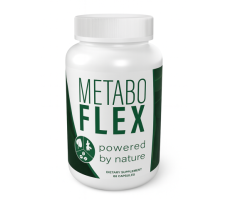
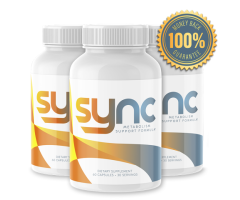
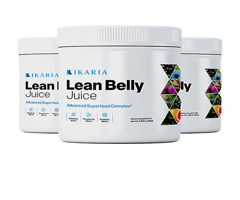
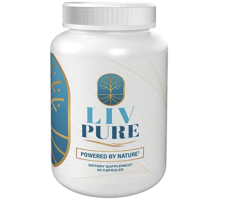
Explore supplement formulas that feature this ingredient and compare useful context before you choose a product.

12Products
1Articles
Ingredient guide

Resveratrol

What it is: Resveratrol is a plant-derived polyphenol compound with antioxidant properties, predominantly found in the skins of red grapes, some berries, and peanuts.
What it does: Resveratrol is known for supporting blood vessel health, helping protect cells from oxidative damage, and promoting cardiovascular wellness and healthy aging.
How it is used: Commonly used in supplements targeting heart and vascular health, antioxidant protection, and as part of healthy aging or cellular longevity blends.
Natural sources and supplement forms: Naturally present in red grape skins, blueberries, peanuts, and mulberries; supplement forms usually feature concentrated extracts from Japanese knotweed (Polygonum cuspidatum) or grape skin, available in capsules or tablets.
Why it appears in supplement formulas: It is valued for its potent antioxidant activity and its possible support for cardiovascular and cellular health.
What to know before use: Resveratrol may have mild blood-thinning effects and could interact with anticoagulant or antiplatelet medications; consult your healthcare provider if you are on such medications or have bleeding concerns.
Interesting Fact

Resveratrol: The Plant Compound Found in Red Grapes and Berries

Resveratrol is a natural compound produced by certain plants, including red grapes, blueberries, and peanuts, as a protective response to stressors in their environment. This antioxidant is especially concentrated in the skins of red grapes, which is why it’s also present in red wine. It’s often included in supplements thanks to its presence in these nutritious foods and its role as a naturally occurring polyphenol.
FAQ

Frequently Asked Questions About Resveratrol

What natural foods are the best sources of resveratrol?

Resveratrol is most abundant in the skins of red grapes, which is why red wine contains notable amounts. Other natural food sources include blueberries, cranberries, mulberries, and peanuts. Japanese knotweed (Polygonum cuspidatum) is also a very rich source, and its extract is commonly used in supplements.

How does resveratrol support cardiovascular health?

Resveratrol is studied for supporting cardiovascular health by helping maintain healthy blood vessels and promoting antioxidant defense against oxidative stress in the heart and circulatory system. It may also support healthy blood flow and help protect blood vessel lining from oxidative damage.

What is the difference between resveratrol from red grapes and Japanese knotweed?

Resveratrol supplements made from red grapes and Japanese knotweed provide the same active polyphenol, but Japanese knotweed (Polygonum cuspidatum) is typically used in supplement manufacturing because it contains higher concentrations and is easier to standardize than grape extracts. Both sources deliver similar resveratrol benefits.

Are there any safety concerns or medication interactions with resveratrol supplements?

Resveratrol may have mild blood-thinning effects and could interact with anticoagulant or antiplatelet medications. People taking blood thinners or those with bleeding disorders should use caution and consult a healthcare provider before using resveratrol supplements to minimize potential interaction risks.


Health supplements

buy supplements