Ingredient Guide

Soy Isoflavones

Soy isoflavones are naturally occurring plant compounds found in soybeans that mimic the effects of estrogen in the body. They are often used by people seeking support for menopausal comfort, bone health, or cardiovascular wellness, due to their mild hormone-balancing properties.

2 related supplements 0 related articles Ingredient database

Soy Isoflavones

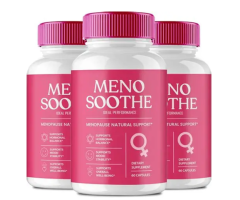
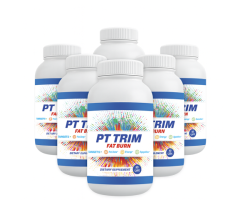
Explore supplement formulas that feature this ingredient and compare useful context before you choose a product.

2Products
0Articles
Ingredient guide

Soy Isoflavones

What it is: Soy isoflavones are phytoestrogens—plant-based estrogen-like compounds—naturally present in soybeans. The primary isoflavones are genistein, daidzein, and glycitein, which interact with estrogen receptors in the body.
What it does: Soy isoflavones are studied for their ability to support the body's hormonal balance, particularly during menopause. They may help with mild menopausal discomfort, bone density maintenance, and support cardiovascular function by regulating certain hormone activities.
How it is used: These compounds are commonly used in supplements aimed at managing hot flashes and night sweats, easing the transition through menopause, and helping maintain bone strength as estrogen levels decline with age.
Natural sources and supplement forms: Soy isoflavones are found in foods like soybeans, tofu, tempeh, miso, and soy milk. Supplements typically provide standardized extracts to ensure consistent levels of genistein and daidzein.
Why it appears in supplement formulas: Soy isoflavones are featured for their plant-based support of hormonal comfort during menopause, bone health, and cardiovascular wellness, particularly for people who do not get regular soy in their diet.
What to know before use: Individuals with hormone-sensitive conditions or those using hormone therapies should check with a healthcare provider before using soy isoflavones, as they can interact with estrogen-responsive pathways.
Interesting Fact

Plant Compounds from Traditional Soy Foods

Soy isoflavones are naturally occurring compounds found in soybeans and foods like tofu, miso, and soy milk. These plant-based nutrients, known as phytoestrogens, have been a staple part of traditional East Asian diets for centuries. Soy isoflavones are included in supplements to provide an easy way to get the unique compounds found in soy, especially for people who may not eat soy foods regularly.
FAQ

Frequently Asked Questions About Soy Isoflavones

What are the main types of isoflavones found in soy isoflavone supplements?

Soy isoflavone supplements typically contain three main types of isoflavones: genistein, daidzein, and glycitein. These compounds are naturally present in soybeans and are the primary phytoestrogens responsible for the mild estrogen-like activity of soy isoflavones in the body.

What is soy isoflavones most commonly used for in supplements?

Soy isoflavones are most commonly used in supplements to support relief from mild menopausal symptoms, help maintain hormonal balance during menopause, and support bone and cardiovascular health. They are often chosen by women seeking plant-based support for managing changes that occur during midlife.

Can people with soy allergies take soy isoflavone supplements?

People with a soy allergy should not take soy isoflavone supplements, as these products are derived from soybeans and may contain allergenic proteins. Individuals with soy allergies should consider alternative supplements and consult a healthcare professional before starting any new supplement regimen.

What foods naturally contain soy isoflavones?

Soy isoflavones are naturally found in whole soybeans and foods made from soy, such as tofu, tempeh, miso, edamame, and soy milk. Including these foods in the diet can provide natural sources of isoflavones along with other beneficial nutrients present in whole soy foods.


Health supplements

buy supplements