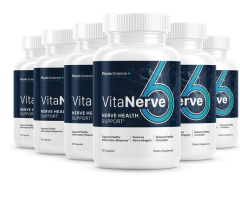
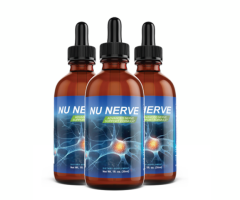
What it does: Thiamine acts as a coenzyme in carbohydrate metabolism, helping convert food into cellular energy, and is necessary for normal nerve and muscle activity.
How it is used: It is commonly taken to support daily energy, address occasional fatigue, and promote healthy nerve function, particularly for individuals with low intake from food.
Natural sources and supplement forms: Thiamine is found naturally in whole grains, beans, seeds, nuts, and pork. In supplements, it is usually present as thiamine hydrochloride or thiamine mononitrate, either as a single nutrient or in B-complex and multivitamin formulas.
Why it appears in supplement formulas: Vitamin B1 is added to supplement formulas to help maintain healthy energy production from carbohydrates and support the nervous system, which is important for those with dietary gaps or increased needs.
What to know before use: Thiamine is generally considered very safe at typical supplement doses. Rarely, high amounts may cause mild digestive upset.
Interesting Fact
Vitamin B1: The 'Spark Plug' for Energy Release
Vitamin B1, also called thiamine, plays a key role in helping your body convert the carbohydrates you eat into energy. It acts like a spark plug for your metabolism, supporting the process in which food is transformed into usable fuel. Whole grains, beans, and seeds are natural sources, but B1 is often included in supplements to support consistent intake when diets may be low in these foods.