Ingredient Guide

Vitamins & Minerals

Vitamins and minerals are essential micronutrients that the body needs in small amounts to maintain metabolism, strengthen bones, support immune response, and help with energy production. People often take supplements to fill dietary gaps, boost wellness, or address specific nutrient needs tied to age, health, or diet.

2 related supplements 0 related articles Ingredient database

Vitamins & Minerals

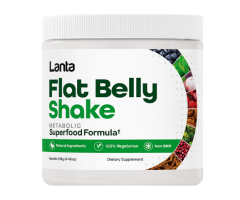
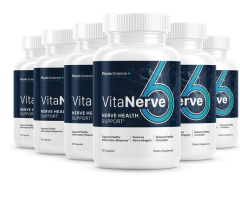
Explore supplement formulas that feature this ingredient and compare useful context before you choose a product.

2Products
0Articles
Ingredient guide

Vitamins & Minerals

What it is: Vitamins and minerals are essential micronutrients—vitamins are organic compounds like A, C, D, E, K, and B-complex, while minerals are inorganic elements such as calcium, magnesium, iron, and zinc, all required in small quantities for healthy body function.
What it does: Each vitamin and mineral has a distinct role: for example, vitamin D contributes to calcium absorption and bone health, B vitamins are involved in energy metabolism, zinc supports immune function, and iron carries oxygen in the blood.
How it is used: Supplements with vitamins and minerals are commonly used to support energy, immunity, bone and heart health, or to correct nutritional shortfalls linked to restrictive diets, pregnancy, medical conditions, or aging.
Natural sources and supplement forms: These nutrients are found naturally in fruits, vegetables, dairy, meats, whole grains, nuts, and seafood. Supplement forms include tablets, capsules, powders, and liquids, and may combine multiple vitamins and minerals or provide single-nutrient options for targeted support.
Why it appears in supplement formulas: Multivitamin and multimineral blends are included to help bridge common nutritional gaps and support vital body systems that require micronutrients for optimal performance.
What to know before use: Taking high doses of certain vitamins or minerals can cause side effects or affect medications, so it is important to use these supplements as directed and seek professional advice when combining products or managing health conditions.
Interesting Fact

Vitamins and Minerals Fuel Everyday Body Functions

Vitamins and minerals are essential nutrients your body needs in small amounts to keep everything running smoothly. They support thousands of daily processes, from turning food into energy to keeping bones, nerves, and immune functions in top shape. Many vitamins and minerals naturally occur in fruits, vegetables, nuts, and grains, making a balanced diet the original source of these vital nutrients.
FAQ

Frequently Asked Questions About Vitamins & Minerals

What are the main benefits of taking a vitamins and minerals supplement?

Vitamins and minerals supplements support general wellness by helping fill nutritional gaps in the diet. They are involved in energy production, immune system activity, bone maintenance, and cell function. People may use these supplements to help address common deficiencies and support areas such as metabolism, nerve health, and skin maintenance.

Which foods are natural sources of vitamins and minerals?

Natural sources of vitamins and minerals include fruits, vegetables, whole grains, nuts, seeds, dairy products, eggs, fish, and meats. For example, leafy greens are high in magnesium and vitamin K, citrus fruits provide vitamin C, red meat contains iron, and dairy is rich in calcium and vitamin D.

What forms do vitamins & minerals appear in dietary supplements?

Vitamins & minerals in supplements often appear as multivitamin and mineral blends or as single-nutrient products. Forms can include tablets, capsules, gummies, powders, and liquids. Common forms for minerals include citrate, gluconate, and chelated versions, which are designed for better absorption by the body.

Are there safety concerns when taking vitamins and minerals together with other supplements or medications?

Taking high doses of certain vitamins or minerals, such as vitamin A, vitamin D, or iron, may cause side effects or interact with medications. For example, calcium may reduce absorption of some antibiotics, and vitamin K can interfere with blood thinners. Consulting a healthcare professional before combining supplements or with prescription drugs is recommended.


Health supplements

buy supplements