Ingredient Guide

Wild Yam

Wild yam is the tuberous root of the Dioscorea villosa plant, rich in a natural compound called diosgenin. It is often used in supplements aimed at supporting female hormonal balance and comfort during menopause or menstruation, reflecting its historical use in traditional women's health remedies.

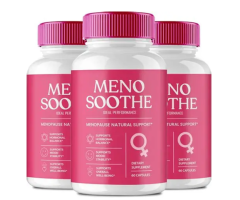
3 related supplements 1 related articles Ingredient database

Wild Yam

Explore supplement formulas that feature this ingredient and compare useful context before you choose a product.

3Products
1Articles
Ingredient guide

Wild Yam

What it is: Wild yam is a perennial root from the Dioscorea villosa plant, native to North America, and is classified as a botanical extract due to its phytochemical content—most notably diosgenin, a plant-based steroidal saponin.
What it does: Wild yam is commonly used to support healthy hormone pathways and overall comfort during natural phases of hormonal change, particularly for menopausal or menstrual wellness, although the body does not convert its diosgenin directly into hormones.
How it is used: It is featured in women's wellness supplements for menopause and menstrual support, and may also be found in blends for joint health or traditional digestive comfort.
Natural sources and supplement forms: Wild yam naturally occurs in the root (rhizome) of the Dioscorea villosa plant. Supplement forms include whole root powder, root extract, and standardized diosgenin extracts, available as capsules, powders, or liquid tinctures.
Why it appears in supplement formulas: Supplement makers use wild yam for its traditional reputation in supporting hormone-related balance and comfort, as well as its unique plant-derived compounds connected with women’s well-being.
What to know before use: Consult a healthcare professional before taking wild yam, especially if you are pregnant, breastfeeding, or have hormone-sensitive health conditions, as it may interact with certain medications or therapies.
Interesting Fact

Wild Yam: A Traditional Root with Unique Plant Compounds

Wild yam (Dioscorea villosa) is a root native to North America and has been traditionally used by Native Americans for centuries. The plant contains natural compounds called diosgenin, which have been widely studied as starting materials for the synthesis of certain hormones in the laboratory, though the body does not convert diosgenin into hormones on its own. Wild yam is included in supplements for its interesting botanical profile.
FAQ

Frequently Asked Questions About Wild Yam

What is wild yam and why is it included in menopause support supplements?

Wild yam (Dioscorea villosa) is a root containing the plant compound diosgenin. It is often included in menopause support supplements for its traditional use and its studied role in supporting hormonal balance and comfort during natural hormonal fluctuations, especially during perimenopause and menopause.

How does wild yam root extract differ from other yam sources in supplements?

Wild yam root extract comes specifically from Dioscorea villosa, which is distinct from sweet potato or Asian yams. It contains higher levels of diosgenin, the plant steroid studied for its connection to hormone support, whereas other food yams do not contain significant diosgenin or share the same traditional uses.

Can the body convert wild yam diosgenin into estrogen or progesterone naturally?

The human body cannot directly convert diosgenin from wild yam into estrogen or progesterone. While diosgenin serves as a starting material in laboratory synthesis of steroid hormones, this conversion does not occur naturally in the body. Wild yam is studied for its botanical profile and traditional uses, not for hormone production in people.

Are there any precautions when using wild yam supplements for women's health?

People with hormone-sensitive conditions, or those who are pregnant, breastfeeding, or taking hormone-related medications should consult a healthcare professional before using wild yam supplements. Though wild yam is widely used in women's health formulas, personalized advice is recommended due to its potential interactions with hormone pathways.


Health supplements

buy supplements