Ingredient Guide

Zinc and Vitamin B6

Zinc is an essential mineral required for immune response, cell growth, and tissue repair, while vitamin B6 is a water-soluble vitamin involved in energy metabolism and nervous system support. This nutrient duo is commonly used together to support immune balance, healthy metabolism, brain function, and hormone synthesis.

1 related supplements 1 related articles Ingredient database

Zinc and Vitamin B6

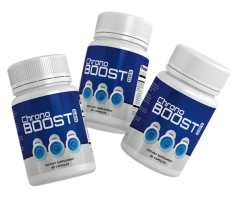
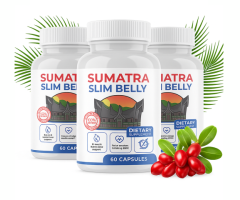
Explore supplement formulas that feature this ingredient and compare useful context before you choose a product.

1Products
1Articles
Ingredient guide

Zinc and Vitamin B6

What it is: Zinc is an essential trace mineral involved in hundreds of enzyme-driven reactions, and vitamin B6 (pyridoxine) is a water-soluble vitamin necessary for the metabolism of proteins, fats, and carbohydrates, as well as neurotransmitter production.
What it does: Zinc supports immune cell activity, wound repair, DNA synthesis, and skin health, while vitamin B6 helps convert food to energy, maintain nerve signaling, and regulate homocysteine levels and hormone activity.
How it is used: Zinc and vitamin B6 are most often used together in supplements targeting immune support, cognitive and mood balance, healthy metabolism, and energy, particularly during periods of stress or increased physical demand.
Natural sources and supplement forms: Zinc is naturally present in oysters, red meat, dairy, beans, seeds, and nuts. Vitamin B6 is found in fish, poultry, whole grains, bananas, and potatoes. Supplement forms typically include zinc gluconate, zinc citrate, and pyridoxine hydrochloride for B6.
Why it appears in supplement formulas: This combination is valued because zinc and vitamin B6 both serve as enzyme cofactors in metabolic and immune pathways, and are often paired to help address common nutrient shortfalls and support overall wellness.
What to know before use: Taking extremely high amounts of zinc or vitamin B6 can cause side effects such as digestive upset or nerve symptoms, so follow dosage guidelines and consult a healthcare professional for long-term use or if on medication.
Interesting Fact

Zinc and Vitamin B6: A Duo Commonly Found in Protein-Rich Foods

Zinc and vitamin B6 naturally occur together in many foods like chicken, fish, nuts, and seeds. This powerful pairing is often included in supplement formulas because both nutrients play key roles as helpers in enzyme reactions that support your body's everyday processes, and their functions can complement each other for general wellness when daily intake from food may be inconsistent.
FAQ

Frequently Asked Questions About Zinc and Vitamin B6

What are the benefits of taking Zinc and Vitamin B6 together in a supplement?

Zinc and Vitamin B6 are often combined in supplements because they play complementary roles in supporting immune function, energy metabolism, and hormone balance. Zinc is important for cell division and immune support, while Vitamin B6 helps process amino acids and form neurotransmitters. Taking them together may help fill common dietary gaps and support overall wellness, especially during periods of increased physical or immune stress.

Are there any safety concerns with high doses of Zinc and Vitamin B6 supplements?

High doses of Zinc or Vitamin B6 can lead to side effects. Too much Zinc may cause nausea, interfere with copper absorption, or suppress immune function over time. Excessive Vitamin B6 intake, especially with long-term use, can cause nerve issues like tingling or numbness (neuropathy). It’s best to follow recommended amounts and consult a healthcare provider if considering high doses or long-term use.

What are the natural food sources of Zinc and Vitamin B6?

Zinc is naturally found in oysters, red meat, poultry, beans, nuts, and whole grains. Vitamin B6 is abundant in fish, chicken, turkey, potatoes, bananas, chickpeas, and fortified cereals. Many protein-rich foods, such as meat, poultry, and fish, provide both nutrients, making them good dietary sources of this pairing.

Do Zinc and Vitamin B6 supplements interact with medications?

Zinc and Vitamin B6 can interact with certain medications. Zinc may reduce the absorption or effectiveness of antibiotics and some medications used for arthritis. Vitamin B6 can interact with some drugs used for epilepsy, Parkinson’s disease, and certain anti-tuberculosis medications. If you take prescription medications, consult your healthcare provider before starting supplements containing these nutrients.


Health supplements

buy supplements