Best Foods for Gut Repair: What to Eat and What to Verify on Labels Supplement Free
- Location: United States
Understanding Gut Repair Through Nutrition
Your gut health plays a central role in your overall wellbeing, influencing digestion, nutrient absorption, the immune system, and even mood. Supporting gut repair is about more than just avoiding irritants—it's about what you actively add to your diet and supplement routine. Here, we break down the best food choices, common gut-friendly ingredients, what to look for on labels, and how a complementary supplement can fit into your routine.
Top Foods to Support Gut Repair
- Fermented Foods: Live-culture yogurt, kefir, kimchi, sauerkraut, and miso provide probiotics that help promote a diverse and balanced gut microbiome.
- Prebiotic-Rich Foods: Foods like oats, bananas, chicory root, Jerusalem artichoke, garlic, onions, and apples contain fibers (like inulin and pectin) that feed beneficial gut bacteria.
- High-Fiber Fruits and Vegetables: A wide mix (cooked for sensitivity) nourishes the gut lining with soluble and insoluble fibers.
- Soothing Foods: Slippery elm bark tea, aloe vera juice, cooked carrots, and pumpkin may be gentle on an irritated digestive tract.
- Omega-3 Sources: Fatty fish (like salmon and sardines), flaxseed, and chia seed provide healthy fats that support gut cell membranes.
- Herbal Add-Ins: Ginger, turmeric, and peppermint can provide comfort and help ease occasional digestive complaints.
Sample Routine for Gut Health
- Breakfast: Oatmeal with diced banana and a spoonful of live-culture yogurt.
- Lunch: Brown rice bowl with stir-fried vegetables and sauerkraut on the side.
- Snack: Apple slices or a smoothie including chia seeds and kefir.
- Dinner: Salmon with roasted sweet potatoes and steamed greens. Consider a cup of ginger tea afterwards.
Common Ingredients for Gut Repair
| Ingredient | Description/Role |
|---|---|
| Probiotics (e.g. from yogurt, kimchi) | Live bacteria that help maintain a diverse and resilient gut microbiome. |
| Prebiotic fibers (inulin, apple pectin, FOS) | Feed beneficial gut bacteria and support healthy bowel movements. |
| Ginger | Traditionally used to aid digestion and reduce discomfort. |
| Apple Pectin | Gel-forming fiber for regularity and gut comfort. |
| Slippery Elm Bark | Provides mucilage to coat and soothe the gastrointestinal tract. |
| Chicory Root Inulin | Prebiotic fiber shown to enhance healthy gut flora. |
| Wild Yam, Schisandra, Shan Zhu Yu | Botanicals sometimes used in targeted digestive supplements for functional support. |
What to Look for on Supplement Labels
- Prebiotic and Probiotic Balance: Look for formulas containing both live cultures and fibers like inulin or pectin.
- Digestive Botanicals: Notice ingredients such as ginger, wild yam, or Schisandra, which are traditionally used to support comfort and balance.
- No Harsh Additives: Check for clean labels free from synthetic colors, artificial sweeteners, and excess fillers.
- Clear Dosing and Ingredient Transparency: Supplement Facts panels should break down active ingredients and their quantities.
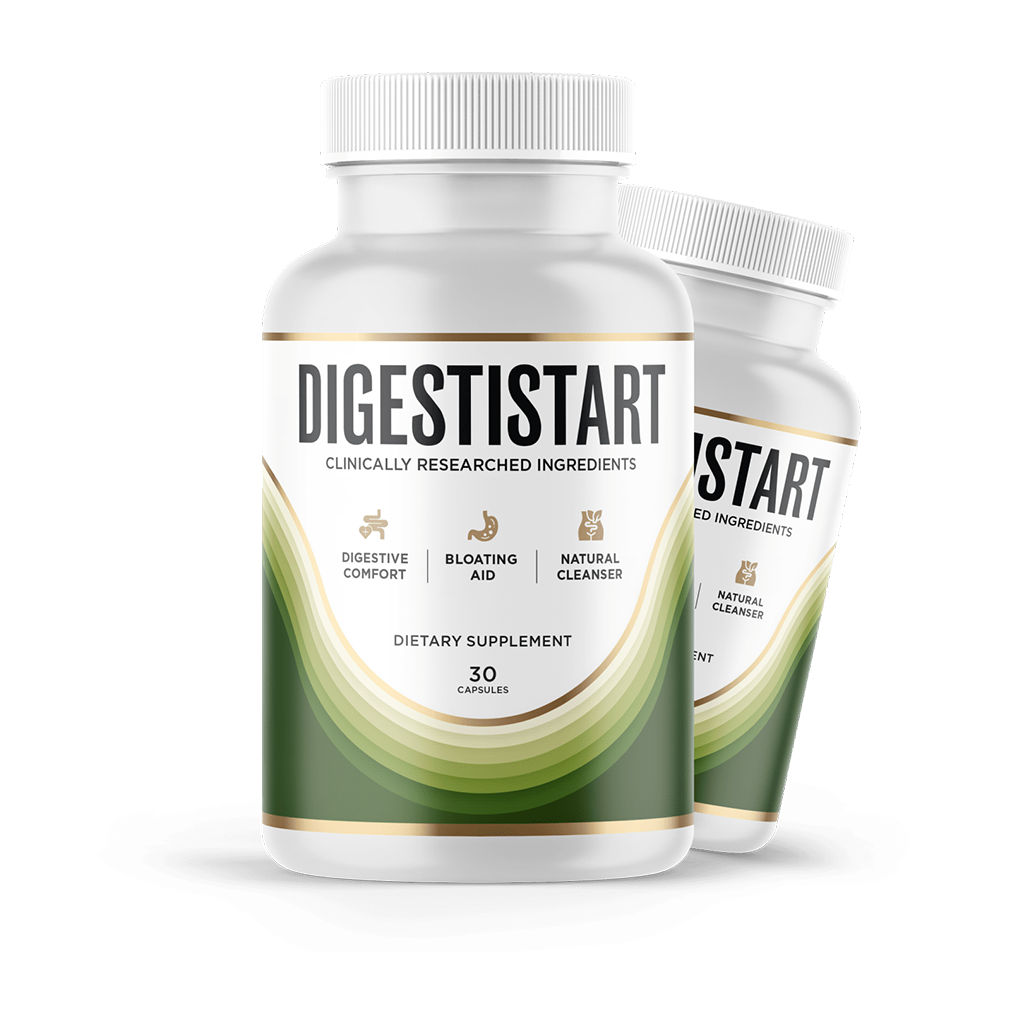
How DigestiStart: Kickstart Your Digestion Naturally Today! Fits Gut Repair
DigestiStart: Kickstart Your Digestion Naturally Today! brings together a targeted selection of gut-supportive ingredients. It includes both traditional botanicals (like Schisandra and Wild Yam) and key prebiotics (such as chicory root inulin and apple pectin). Its formula is rounded out with ginger for digestive comfort and ingredients like Poria Cocos and Polygala Tenuifolia, which are commonly seen in health-focused digestive blends. This supplement fits well for those looking to complement a gut-repair routine with both prebiotic and botanical support, aligning with many of the functional foods and label criteria discussed above.
Related Product Table
| Product ID | Product Name | Product Page URL | Why It Fits |
|---|---|---|---|
| 85 | DigestiStart: Kickstart Your Digestion Naturally Today! | View Product | Combines prebiotics, soothing botanicals, and digestive support ingredients to complement gut repair nutritional routines. |
Unique Takeaways
- Gut repair works best with a combination of nutrient-dense, fiber-rich foods and supportive ingredients you can check for on labels.
- Prebiotic and probiotic foods form the foundation, while select botanicals and soothing fibers add extra support.
- Carefully formulated supplements can round out your routine—always review Supplement Facts for transparency and ingredient synergy.
Useful information
- Disclaimer: This article contains affiliate links to products. We may receive a commission for purchases made through these links.
Related listings
-
Top 10 Gut-Healing Foods for Natural Gut RepairBest Foods for Gut Repair
Maintaining a healthy gut is crucial for overall well-being. A balanced digestive system helps with nutrient absorption, immune resilience, and energy. When the gut barrier is compromised—due to stress, medications, processed foods, or environmental factors—repairing it starts with smart nutrition choices. Here’s a practical guide to the top 10 gut...

-
A Week’s Meal Plan Using the Best Foods for Gut RepairBest Foods for Gut Repair
Building a meal plan for gut health means focusing on diverse, whole foods that nourish beneficial bacteria and help soothe the digestive tract. By including a variety of prebiotic fibers, live probiotics, plant-based meals, and low-irritant dinners, you can support your gut’s natural repair processes. Here’s how a sample week of gut-focused eating...
-
Understanding How Prebiotics and Probiotics Work Together for GutBest Foods for Gut Repair
What Are Prebiotics and Probiotics? Gut health relies heavily on the balance and diversity of the bacteria that live in your digestive tract. Two key players foster this balance: prebiotics and probiotics. Though often mentioned together, they serve different key functions: Prebiotics: These are non-digestible fibers or compounds in certain foods t...



Health supplements