Nerve Support
-
Top Foods That Support Nerve Health and Cognitive PerformanceFoods and Nutrients for Cognitive Performance
Overview: Foods for Nerve and Brain Health Maintaining strong nerve function and cognitive performance goes beyond genetics and lifestyle—your daily diet plays a decisive role. Modern science highlights several foods rich in nutrients essential for supporting nerve health, memory, mental focus, and overall cognitive well-being. In this article, we’...
-
Understanding How Leafy Greens Benefit Brain and Nerve FunctionFoods and Nutrients for Cognitive Performance
Nutrients in Leafy Greens That Support Brain and Nerve Function Leafy greens like spinach, kale, Swiss chard, and arugula are prized for their dense concentration of vitamins, minerals, and plant compounds. Several key nutrients in these greens directly benefit the brain and nervous system: Magnesium: Essential for nerve signal transmission, muscle...
-
Omega-3 Fats: Essential Nutrients for Nerve Support and MentalFoods and Nutrients for Cognitive Performance
What are Omega-3 Fatty Acids and Why Are They Crucial for Nerve Function? Omega-3 fatty acids are essential polyunsaturated fats that play a key role in building and protecting nerve cells throughout the body. Their most well-known types are DHA (docosahexaenoic acid) and EPA (eicosapentaenoic acid), both of which are especially important for brain...

-
Simple Grocery Habits for Better Nerve Health and Brain EnergyFoods and Nutrients for Cognitive Performance
How to Organize a Shopping List for Brain and Nerve Nutrition Supporting nerve health and steady brain energy starts with a thoughtful shopping list. Choose foods naturally rich in vitamins, minerals, antioxidants, healthy fats, and plant phytonutrients. Organize your list by food groups, focusing on high-impact staples: Proteins: eggs, Greek yogur...

-
The Role of Berries, Seeds, and Nuts in Protecting Nerve CellsFoods and Nutrients for Cognitive Performance
Antioxidant and Anti-Inflammatory Nutrients in Berries, Seeds, and Nuts Berries, seeds, and nuts are celebrated for their dense nutrient profiles, particularly their abundance of antioxidants and anti-inflammatory compounds. These foods provide a broad spectrum of naturally occurring plant compounds that defend nerve cells against oxidative stress ...

-
Foods and Nutrients for Cognitive Performance: Foods, NutrientsFoods and Nutrients for Cognitive Performance
Supporting cognitive performance and overall nerve health involves a blend of nourishing foods, targeted nutrients, and, for some, carefully formulated dietary supplements. This guide explains practical food and nutrient choices, what to look for on labels, and how to compare supplement options for brain health and mental sharpness. Core Foods for ...

-
How to Compare Supplements for Foods and Nutrients for CognitiveFoods and Nutrients for Cognitive Performance
Understanding Cognitive Performance and Nutrient Support Supporting cognitive performance involves a combination of healthy food choices and, when needed, well-formulated supplements. Cognitive functions like memory, focus, and mental clarity depend on brain-friendly nutrients from eggs, fatty fish, nuts, leafy greens, and berries, as well as speci...

-
Foods and Nutrients for Cognitive Performance: What to EatFoods and Nutrients for Cognitive Performance
Supporting cognitive performance and brain health requires more than just staying mentally active. The right mix of foods and nutrients can contribute to memory, focus, and mental agility. Here’s a practical guide to what to eat, which nutrients to look for, and how to assess supplement labels to help boost your daily brain power. Everyday Foods Th...
-
Foods and Nutrients for Cognitive Performance: Key IngredientsFoods and Nutrients for Cognitive Performance
Understanding Cognitive Performance Nutrition Cognitive performance—your ability to focus, remember, learn, and process information efficiently—depends on a synergy of diet, lifestyle, and specific nutrients. Certain foods and key ingredients have a reputation for supporting brain function, mental energy, and nerve health. Shoppers looking to choos...

-
Daily Nutrition Habits for Foods and Nutrients for CognitiveFoods and Nutrients for Cognitive Performance
Building Daily Habits for Cognitive Performance Cognitive performance—including focus, memory, and overall brain health—is supported by a balanced intake of specific nutrients and smart food choices. Incorporating the right ingredients into daily meals can set the foundation for lasting nerve and brain function, making it easier to stay sharp and e...

-
Building Brain-Friendly Routines: Daily Habits for Nerve SupportDaily Routines for Brain and Nerve Wellness
Understanding Brain-Healthy Daily Routines The brain and nervous system thrive on consistent care. Building brain-friendly daily routines means developing habits that nourish, protect, and refresh your cognitive functions. The benefits reach beyond clarity and memory—they support nerve wellness, mood stability, and even physical coordination. Pract...

-
Smart Grocery Shopping for Brain and Nerve WellnessDaily Routines for Brain and Nerve Wellness
Grocery List Framework for Brain and Nerve Support Maintaining cognitive and nerve wellness starts in the kitchen. Research supports that certain foods nourish the brain, provide key nutrients for nerve signaling, and help protect against oxidative stress. Here’s an example brain-friendly grocery list to make smarter choices: Leafy Greens: Spinach,...
-
The Role of Omega-3s and Antioxidants in Daily Brain WellnessDaily Routines for Brain and Nerve Wellness
Science-Backed Benefits of Omega-3s and Antioxidants for Brain Health Omega-3 fatty acids and antioxidants play key roles in supporting brain and cognitive wellness. Research shows that omega-3s—especially DHA (docosahexaenoic acid)—are essential building blocks for nerve cell membranes, supporting memory, focus, and healthy nerve signaling. Antiox...
-
Evening Wind-Down Routines to Support Brain and Nerve HealthDaily Routines for Brain and Nerve Wellness
Why Evening Routines Matter for Brain and Nerve Health How you wind down in the evening shapes the quality of your sleep, the resilience of your nervous system, and your ability to recharge mentally. With busy modern lives, nervous system wellness hinges on intentional habits: practicing relaxation, managing screen time, and creating a consistent s...

-
Brain Boosting Breakfasts: Start Your Day with Nerve SupportDaily Routines for Brain and Nerve Wellness
Why Breakfast Matters for Brain & Nerve Function A nutritious breakfast sets the tone for your day, fueling your body and mind after a night of fasting. Your brain relies on a steady supply of key nutrients—especially those involved in nerve signaling and energy metabolism—to stay sharp, focused, and resilient. Skipping or settling for a poorly bal...

-
Daily Routines for Brain and Nerve Wellness: What to EatDaily Routines for Brain and Nerve Wellness
Foods and Daily Habits for Brain and Nerve Wellness Maintaining the health of your brain and nerves requires a consistent routine centered on nutrition, hydration, and balanced lifestyle habits. Integrating both whole foods and evidence-based supplements can support your wellness goals throughout every stage of life. Here’s how you can build an eff...
-
Daily Routines for Brain and Nerve Wellness: Key IngredientsDaily Routines for Brain and Nerve Wellness
Daily Routines for Brain and Nerve Wellness Optimizing your daily routine for brain and nerve wellness involves a blend of smart dietary choices and the strategic use of supplements. Modern lifestyles can challenge mental focus, memory, stress resilience, and overall cognitive health. Understanding key ingredient categories and comparing supplement...
-
Daily Nutrition Habits for Daily Routines for Brain and NerveDaily Routines for Brain and Nerve Wellness
Introduction: Why Brain and Nerve Wellness Needs Daily Attention Brain and nerve function underpins your daily productivity, memory, focus, mood, and long-term cognitive resilience. Adopting nourishing routines and ingredient choices in daily meals can support both immediate mental performance and lasting nerve health. Here, we break down practical...

-
Daily Routines for Brain and Nerve Wellness: Foods, NutrientsDaily Routines for Brain and Nerve Wellness
How Daily Routines Support Brain and Nerve Wellness Supporting your brain and nerve health is an ongoing process that benefits greatly from consistent daily habits. What you eat, your activity level, mental engagement, and how you supplement all contribute to keeping nerves communicating efficiently and supporting cognitive clarity for years to com...
-
How to Compare Supplements for Daily Routines for Brain and NerveDaily Routines for Brain and Nerve Wellness
Comparing Supplements for Brain and Nerve Wellness Choosing a supplement for daily support of brain and nerve health means looking at more than just a promising label. A careful comparison can help you select options tailored to your mental clarity, memory, mood, or focus goals, while prioritizing transparency and ingredient quality. Here’s how to ...
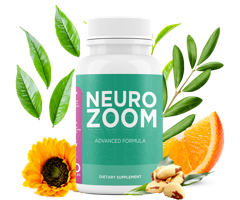
What Is Nerve Support?
The Brain & Nerve Support category is dedicated to the nutrients, routines, and lifestyle strategies that help people support cognitive function, memory, mental focus, nerve comfort, and clarity in everyday life. This includes core nutrients like B vitamins, nootropic ingredients, and traditional adaptogens such as select mushrooms and calming herbs. It also covers practical context for managing occasional brain fog and supporting nerve health for overall well-being.
Why This Area Matters Day to Day
Brain and nerve health play a huge role in how you experience each day. Cognitive sharpness, recall, ability to focus, and even the sensation of calm, clarity, or "brain fog" all connect back to nutritional and lifestyle choices that affect the brain and nervous system. Similarly, nerve comfort and proper signaling influence everything from simple reflexes to more complex thinking patterns, energy, and mood.
Balanced vs. Out-of-Balance Routines
When the routines and nutrient intake for this area are in balance, most people notice a sense of mental clarity, steady mood, good memory recall, and physical comfort. When out of balance—such as with inconsistent supplement routines, low intake of key nutrients from food, or high everyday stress—it's common to experience forgetfulness, sluggishness, trouble concentrating, and occasionally tingling or uncomfortable nerve sensations.
| Body & Feeling Impact | With Good Routine | When Out of Balance |
|---|---|---|
| Memory | Crisp recall, easier learning | Forgetfulness, "lost words" |
| Focus | Steady attention | Distractibility, brain fog |
| Nerve Comfort | Physical ease, calm | Restlessness, tingling* |
| Overall Mood | Uplifted, resilient | Flat, easily stressed |
*Mild/occasional sensations. Always seek a healthcare opinion for persistent concerns.
Key Ingredients & Why They Matter
| Ingredient | Why It Matters |
|---|---|
| B Vitamins | Help the body use energy for nerve signals and neurotransmitter production; often needed daily for optimal function. |
| Mushroom Extracts | Certain varieties (like Lion’s Mane) are traditionally used to support cognitive clarity and nerve growth factors. |
| Nootropics (e.g., L-Theanine, Rhodiola) | Compounds that may promote alertness, focus, and adaptive stress resilience. |
| Magnesium | Supports nerve signaling, helps ease muscle and nerve tension. |
| Sage Leaf | Antioxidant-rich herb commonly used for memory and cognitive support. |
| GABA | Natural calming neurotransmitter, used to encourage relaxation and ease of mind. |
| Vitamin D | Supports nerve and mood regulation, especially in those with low sun exposure. |
| Resveratrol, Quercetin | Antioxidant polyphenols that help reduce oxidative stress in nerve and brain tissue. |
Common Foods Providing Brain & Nerve Nutrients
- B vitamins: Whole grains, beans, eggs, dark leafy greens, meat, seeds
- Magnesium: Nuts, seeds, spinach, black beans, whole grains
- Mushrooms: Lion's Mane, shiitake, maitake (found fresh or in supplement powders/extracts)
- Sage leaf: Fresh or dried in cooking, teas, extracts
- Resveratrol: Red grapes, red wine, peanuts, certain berries
- Quercetin: Apples, onions, berries, leafy greens
- GABA and L-Theanine: Green and black teas
- Vitamin D: Oily fish, fortified dairy/alternatives, sunlight
Supplements vs. Foods: What to Know
| Nutrient | Food Source | Supplement Format | Common Daily Intake Context |
|---|---|---|---|
| B vitamins | Whole grains, eggs | Capsules, tablets, powders | Often used daily for energy & mood |
| Mushroom extracts | Mushrooms (Lion's Mane, etc.) | Capsules, powders, drink mixes | Common in morning or focus formulas |
| L-Theanine | Tea | Capsules, drink powders | For calm focus; often paired with caffeine |
| Magnesium | Nuts, greens | Pills, powders (magnesium glycinate/citrate) | Evening is common for relaxation |
| Antioxidants (Resveratrol, Quercetin) | Berries, onions, grapes | Capsules, blends | Used for cell protection and healthy aging |
Why Supplement and Food Routines Can Be Inconsistent
Many people strive for regular support but run into common barriers:
- Busy schedules making consistent meal prep or supplement use challenging
- Personal taste preferences (e.g., dislike of mushrooms or greens)
- Supplement product formats (pills vs. powders vs. gummies)
- Variations in ingredient amounts and unclear supplement labels
- Gaps in use—either forgetting or intentionally skipping doses
Overall, balancing brain and nerve health routines takes a mix of knowledge, diet, and behavioral consistency. Focusing on daily nutrient sources (foods first, supplements as needed) and routines that fit your life can go a long way in supporting mental clarity and nerve comfort.
- 1


Health supplements