Sleep & Relaxation
-
Foods That Promote Better Sleep: The Science and ChoicesFoods That Promote Better Sleep
The Link Between Food and Sleep Quality Good sleep is not just about bedtime routines—what you eat during the day and especially in the evening can significantly impact your ability to fall and stay asleep. Scientific evidence shows that certain nutrients and bioactive compounds in food help regulate sleep hormones and neurotransmitters, providing ...
-
Bedtime Snacks That Help You Sleep: What to Eat for a Restful NightFoods That Promote Better Sleep
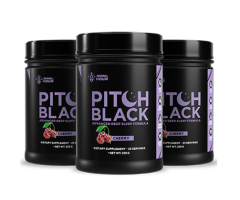
Why Your Evening Snack Matters for Sleep Struggling to unwind at bedtime? The right evening snack can support relaxation and ease your transition into restful sleep. Researchers have found that meals or snacks containing calming nutrients can influence the hormones and neurotransmitters your body uses to help you fall asleep and stay asleep. Key Nu...

-
The Role of Magnesium-Rich Foods in Sleep QualityFoods That Promote Better Sleep
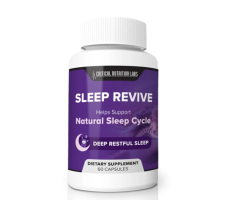
Understanding Magnesium’s Impact on Sleep Patterns Magnesium is an essential mineral that plays a role in hundreds of bodily processes, including nerve signaling, muscle relaxation, and stress regulation. Evidence points to its influence on sleep quality, as magnesium helps regulate neurotransmitters and hormones—such as melatonin and GABA—that sig...
-
Herbal Foods and Extracts That Soothe Your Night: Lemon BalmFoods That Promote Better Sleep
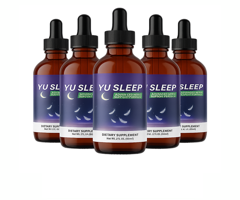
Herbal Foods for a Restful Night: How Tradition Meets Modern Routines Creating a soothing evening routine is easier when you use nature’s most calming herbs. For centuries, herbs like lemon balm, chamomile, and lavender have been enjoyed in teas and foods to encourage relaxation and set the stage for restful sleep. Today, these classic botanicals a...
-
How Protein and Amino Acids in Food Support Restful SleepFoods That Promote Better Sleep
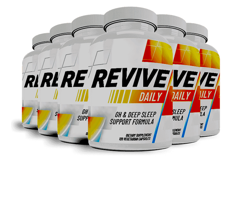
The Role of Amino Acids in the Sleep Cycle Getting restful, uninterrupted sleep depends on a well-coordinated cycle of brain signals and chemical messengers. Among the most important building blocks for these signals are specific amino acids—naturally occurring components of proteins found in many common foods. Key amino acids that promote sleep an...
-
Foods That Promote Better Sleep: Foods, Nutrients, and SupplementFoods That Promote Better Sleep
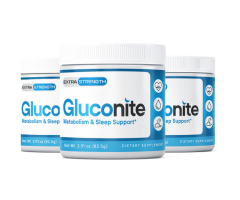
Quality sleep is essential for physical restoration, mental clarity, and metabolic health. Everyday diet habits—alongside targeted nutrients and thoughtful supplement choices—can help set the stage for more restful nights. This guide explores which foods and nutrients promote better sleep, key label and ingredient checks, and how to compare sleep s...
-
How to Compare Supplements for Foods That Promote Better SleepFoods That Promote Better Sleep
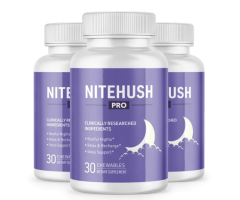
Understanding Supplements for Better Sleep: What to Look For Supplements designed to promote better sleep often feature a blend of nutrients and herbal extracts naturally present in sleep-supportive foods. Knowing how to compare different options is crucial for building a routine that fits your goals and prioritizes safety. Key Ingredient Roles in ...
-
Foods That Promote Better Sleep: What to Eat and What to VerifyFoods That Promote Better Sleep
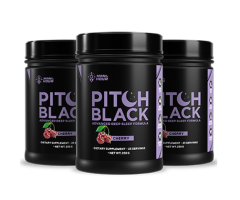
Practical Food Choices for Better Sleep Improving sleep quality doesn't only depend on bedtime habits — what you eat throughout the day and in the evening can play a significant role in how easily you fall and stay asleep. Here’s a breakdown of foods and ingredients with evidence and traditional use for supporting better rest. Top Foods That May Su...
-
Foods That Promote Better Sleep: Key Ingredients & ChecklistFoods That Promote Better Sleep
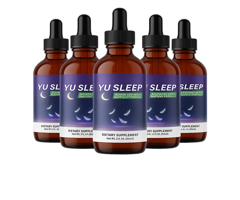
Understanding the Role of Food in Sleep Support Sleep quality can be influenced by what you eat. Certain foods and food-based nutrients play roles in regulating the sleep-wake cycle, calming the mind, easing muscle tension, or supporting the production of neurotransmitters that encourage restful sleep. This makes ingredient labels and formula categ...
-
Daily Nutrition Habits for Foods That Promote Better SleepFoods That Promote Better Sleep
How Daily Nutrition Choices Affect Sleep Quality Many people struggle with falling asleep or staying asleep. While sleep hygiene and stress management are essential, the foods you consume throughout the day, especially in the evening, can have a profound impact on your natural sleep cycle and relaxation capacity. Developing daily nutrition habits t...

What the Sleep & Relaxation Category Covers
The Sleep & Relaxation category centers on nutrients, functional ingredients, and routines that help you settle down, ease stress, and achieve more restful sleep. This hub brings together calming minerals, herbal blends, and amino acids—like magnesium, melatonin, GABA, and L-theanine—often used to support relaxation, bedtime routines, and manage the impacts of everyday stress.
How Sleep, Relaxation & Stress Support Affect Your Day-to-Day Wellbeing
Quality sleep and balanced stress responses are vital for daily function. When your relaxation or sleep routine is working, you’re more likely to wake up refreshed, think clearly, and manage the demands of your day with a level mood. Poor sleep or persistent stress can leave you groggy, tense, or mentally foggy, impacting energy, motivation, and how you feel both physically and emotionally.
Body & Feeling Impact Table
| Area | Positive Impact | Imbalance Signs |
|---|---|---|
| Sleep Quality | Restorative rest, easier waking, steady mood | Tiredness, low energy, irritability |
| Stress Balance | Resilience to daily challenges, calmer outlook | Tension, worry, mind racing |
| Muscle Relaxation | Less tension, smoother recovery | Muscle tightness, restlessness |
| Mind Calmness | Clearer thinking, easier focus | Distractibility, fuzzy thinking |
Important Ingredients & Why They Matter
Certain nutrients and herbal allies can help usher in relaxation, maintain a tranquil mind, and cue your body toward restful sleep:
Key Ingredients Table
| Ingredient | How It Supports Sleep & Relaxation | Common Food Sources |
|---|---|---|
| Magnesium | Helps muscles relax and supports calm nervous system activity | Leafy greens, nuts, seeds, whole grains |
| Melatonin | Signals your brain when it’s time to wind down and sleep | Cherries, grapes, tomatoes (in small amounts) |
| GABA | Acts as a calming neurotransmitter, balancing nervous system activity | Fermented foods (kimchi, miso) |
| L-Theanine | Promotes calm without drowsiness, supports focus and relaxation | Green and black tea leaves |
| Calming Herbs | Herbal extracts like chamomile, passionflower, lavender, valerian help ease tension | Herbal teas, tinctures |
Foods vs Supplements: Practical Intake
| Nutrient/Herb | Food Sources | Supplement Use |
|---|---|---|
| Magnesium | Spinach, almonds, whole grains | Capsules, powders, chewables |
| Melatonin | Small amounts in fruits like cherries | Tablets, gummies, sprays |
| L-Theanine | Green tea | Capsules, combined sleep formulas |
| GABA | Fermented foods | Tablets, capsules |
| Chamomile, Valerian | Herbal teas | Extracts, blends, capsules |
Daily intake varies by nutrient and individual needs. Foods like leafy greens, nuts, and teas provide natural sources, while supplements offer precise servings—often with higher concentrations than typical diets provide for sleep-related compounds.
Why Sleep & Relaxation Routines May Be Inconsistent
Daily routines for sleep and relaxation can be disrupted by changing schedules, travel, shift work, or stress. Ingredient amounts in foods may not be consistent or high enough for some people’s needs. The format of supplements (pills, gummies, teas), label clarity, and sticking to a routine can all influence outcomes. Trying a few methods to see what fits your preferences or lifestyle may help create a sustainable bedtime routine.
- 1


Health supplements