Gut Health Nutrition
-
Top 10 Gut-Healing Foods for Natural Gut RepairBest Foods for Gut Repair
Maintaining a healthy gut is crucial for overall well-being. A balanced digestive system helps with nutrient absorption, immune resilience, and energy. When the gut barrier is compromised—due to stress, medications, processed foods, or environmental factors—repairing it starts with smart nutrition choices. Here’s a practical guide to the top 10 gut...

-
A Week’s Meal Plan Using the Best Foods for Gut RepairBest Foods for Gut Repair
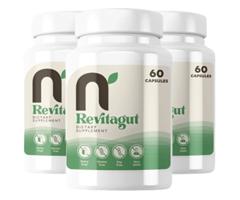
Building a meal plan for gut health means focusing on diverse, whole foods that nourish beneficial bacteria and help soothe the digestive tract. By including a variety of prebiotic fibers, live probiotics, plant-based meals, and low-irritant dinners, you can support your gut’s natural repair processes. Here’s how a sample week of gut-focused eating...
-
Understanding How Prebiotics and Probiotics Work Together for GutBest Foods for Gut Repair
What Are Prebiotics and Probiotics? Gut health relies heavily on the balance and diversity of the bacteria that live in your digestive tract. Two key players foster this balance: prebiotics and probiotics. Though often mentioned together, they serve different key functions: Prebiotics: These are non-digestible fibers or compounds in certain foods t...

-
Gentle Foods to Eat During a Gut Flare-Up or Recovery PhaseBest Foods for Gut Repair
When your digestive system is experiencing a flare-up—whether due to food sensitivities, recent illness, or a period of gut distress—it’s important to choose foods and supplements that are easily tolerated and gentle on the digestive tract. This guide explores how to eat and supplement in a way that supports gut recovery and comfort. Understanding ...

-
Fiber and Gut Repair: What to Eat and What to AvoidBest Foods for Gut Repair
Fiber plays a central role in supporting gut health and repair. Not all fibers are the same, and understanding the different types—along with when and how to use them—can make a big difference in your digestive comfort and gut lining support. Below, you'll learn why fiber matters for gut repair, the top food and supplement sources, when to go easy,...

-
Best Foods for Gut Repair: Foods, Nutrients, and SupplementBest Foods for Gut Repair
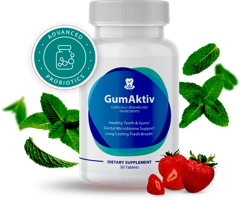
Understanding Gut Repair and Nutrition Your gut is home to trillions of microbes, nerve cells, and interacting nutrients that support digestion, nutrient absorption, and overall wellness. When the gut barrier is compromised, it can impact digestion, immunity, and nutrient status. Focusing on gut repair means prioritizing foods and ingredients that ...
-
How to Compare Supplements for Best Foods for Gut RepairBest Foods for Gut Repair
Understanding Ingredients for Gut Repair When looking for the best foods or supplements to support gut repair, it's important to focus on ingredients that nourish, soothe, and rebalance the digestive system. Ingredients should generally help restore gut lining integrity, feed beneficial bacteria, and calm digestive discomfort. IngredientRole in Gut...

-
Best Foods for Gut Repair: What to Eat and What to Verify on LabelsBest Foods for Gut Repair
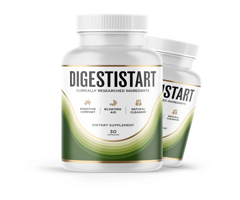
Understanding Gut Repair Through Nutrition Your gut health plays a central role in your overall wellbeing, influencing digestion, nutrient absorption, the immune system, and even mood. Supporting gut repair is about more than just avoiding irritants—it's about what you actively add to your diet and supplement routine. Here, we break down the best f...
-
Best Foods for Gut Repair: Key Ingredients and Product MatchingBest Foods for Gut Repair
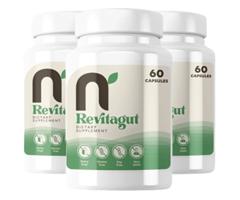
Understanding Gut Repair and Digestive Health Your gut is home to trillions of bacteria that affect digestion, nutrient absorption, immunity, and even mood. Supporting 'gut repair' involves choosing foods and supplement ingredients that nourish the gut lining, support a balanced microbiome, and promote regularity and comfort. Key Ingredient Categor...
-
Daily Nutrition Habits for Best Foods for Gut RepairBest Foods for Gut Repair
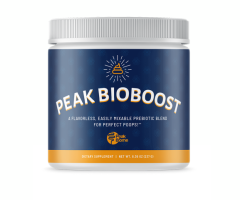
Daily Nutrition Habits for Gut Repair Supporting your gut health starts with intentional choices at every meal. The foods and ingredients you incorporate daily can create a nurturing environment for your digestive tract and promote a thriving gut microbiome. Here’s how you can build a foundation for gut repair and ongoing digestive wellness with pr...
-
Top Probiotic and Prebiotic Foods for a Healthier GutProbiotic and Prebiotic Foods Guide
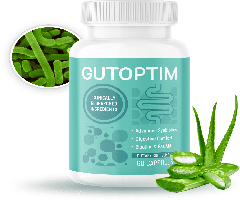
A thriving gut microbiome is vital for digestion, immune support, and overall wellbeing. Two of the main drivers for a healthy gut are probiotics—friendly bacteria found in certain foods—and prebiotics, which are special fibers that nourish those bacteria. Understanding these nutrients and where to find them can help you build a foundation for bett...
-
How to Incorporate Prebiotic Foods Into Your DietProbiotic and Prebiotic Foods Guide
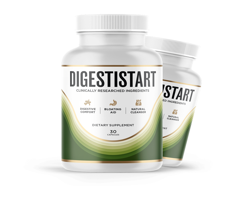
What Are Prebiotics and Why Are They Important? Prebiotics are naturally occurring dietary fibers and plant compounds that serve as food for the beneficial bacteria in your gut. Unlike probiotics, which are live bacteria, prebiotics are the fuel that helps these microbes thrive. By supporting a healthy gut environment, prebiotics play a key role in...
-
Probiotics vs. Prebiotics: What’s the Difference and Why Do YouProbiotic and Prebiotic Foods Guide
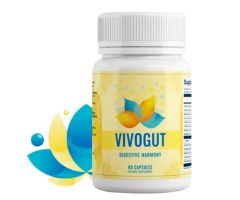
Probiotics and prebiotics are popular terms in the world of gut health, but many people aren’t sure how they differ or why both are important. Understanding the distinction and synergy between these two can help support optimal digestive wellness, whether through food or supplements. Probiotics vs. Prebiotics: The Key Differences Probiotics are liv...
-
Fermented Foods: The Probiotic Powerhouses for Your GutProbiotic and Prebiotic Foods Guide
Why Fermented Foods Are Key to Gut Health Fermented foods—like kimchi, sauerkraut, live-culture yogurt, miso, and kefir—have been cherished across many cultures for their unique flavors and wellness support. These foods are packed with naturally occurring probiotics, which play a pivotal role in maintaining a healthy gut microbiome and digestive co...
-
Fiber-Rich Prebiotic Foods: Supporting Digestive Health NaturallyProbiotic and Prebiotic Foods Guide
The Connection Between Dietary Fiber and Prebiotics Dietary fiber and prebiotics are often mentioned together because certain fiber types act as prebiotics. Prebiotics are naturally occurring, non-digestible food components that nourish beneficial bacteria in the gut. While all prebiotics are dietary fibers, not all fiber has prebiotic effects. Sol...
-
Everyday Grocery Shopping Guide: Choosing Prebiotic and ProbioticProbiotic and Prebiotic Foods Guide
Checklist: Top Prebiotic and Probiotic Foods for Your Grocery List Supporting your gut health starts with your grocery basket. Use this checklist to choose foods that naturally feed beneficial gut bacteria (prebiotics) and deliver live cultures (probiotics): Yogurt (with live cultures): Look for "live and active cultures" on the label. Kefir: Ferme...

-
Modern Lifestyle, Gut Health, and the Role of Prebiotic/ProbioticProbiotic and Prebiotic Foods Guide
Modern life comes with plenty of convenience—but also significant challenges for digestive and gut health. The demands of stressful work, frequent travel, and ready access to highly processed foods can disrupt the balance of the gut microbiome, which plays a key role in overall well-being. How Modern Stressors Impact Gut Health Factors such as chro...
-
Probiotic and Prebiotic Foods Guide: What to Eat and What to VerifyProbiotic and Prebiotic Foods Guide
Introduction: Why Probiotic and Prebiotic Foods Matter Supporting gut health is essential for digestion, nutrient absorption, and immune wellness. Two major nutritional approaches center on probiotic foods (which provide live beneficial bacteria) and prebiotic foods (which feed healthy gut bacteria). This guide offers practical examples of both and...
-
Probiotic and Prebiotic Foods Guide: Key Ingredients & ProductProbiotic and Prebiotic Foods Guide
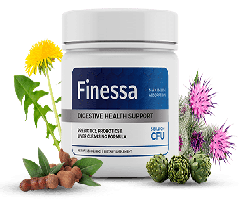
Understanding Probiotics and Prebiotics Gut health is foundational to overall well-being. Two key ingredient groups—probiotics and prebiotics—work together to support a balanced digestive system. By understanding their roles and sources, you can make informed choices in both diet and supplements. What are Probiotics? Probiotics are live beneficial ...
-
Daily Nutrition Habits for Probiotic and Prebiotic Foods GuideProbiotic and Prebiotic Foods Guide
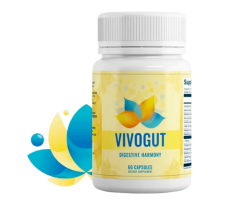
Understanding Probiotic and Prebiotic Foods Supporting gut health starts with daily food choices. Probiotics are live beneficial bacteria that can help maintain a healthy balance of microorganisms in your digestive system. Prebiotics are nondigestible fibers that serve as food for these helpful bacteria, promoting their growth and activity. Both pl...
-
Probiotic and Prebiotic Foods Guide: Foods, NutrientsProbiotic and Prebiotic Foods Guide
Maintaining a healthy digestive system relies on a balanced gut microbiome—populated by billions of beneficial bacteria. Both dietary choices and quality supplement support can contribute to optimal gut wellness. This guide introduces key probiotic foods, prebiotic foods, important nutrients, practical label tips, and how to assess related gut heal...

-
How to Compare Supplements for Probiotic and Prebiotic Foods GuideProbiotic and Prebiotic Foods Guide
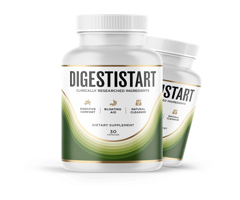
Understanding Probiotic and Prebiotic Supplements Probiotic and prebiotic foods play crucial roles in supporting gut health. Probiotics are live beneficial bacteria that help maintain a balanced gut microbiome, while prebiotics are specific fibers that feed these helpful bacteria. Increasingly, supplements combine these ingredients to promote diges...
What the Gut Health Nutrition Category Covers
This hub brings together essential information and tips for supporting good digestive health. Topics include how digestion works, how to reduce common issues like bloating, and ways to nurture your gut with the right foods and supplements. It covers gut-friendly meals, restaurant choices for sensitive digestion, and everyday habits for regularity and comfort. You'll also find guides on key nutrients: probiotics, prebiotics, fiber, fermented foods, and digestive enzymes—plus how these intersect with antioxidants and beneficial plant compounds.
How Gut Health Affects Daily Life
When your gut is balanced, you typically feel lighter, more energetic, and focused. Digestion runs smoothly, regularity is predictable, and feelings of discomfort (bloating, gas, sluggishness) are rare. A healthy gut can boost your mood, support immune function, and even influence how you respond to stress. If your gut routine is inconsistent or lacking key nutrients, you might experience discomfort, irregularity, or less vibrant well-being day to day.
Gut Health and Body Impact
| Area | How It Can Affect Daily Feeling |
|---|---|
| Digestion | Comfortable, regular digestion supports energy and focus |
| Bloating | Low bloating aids physical comfort and confidence |
| Regularity | Reliable bathroom routine reduces stress and helps with energy |
| Gut Flora Balance | Balanced microbiome may support mood and immunity |
| Enzyme Activity | Ample enzymes help you make the most of what you eat |
Key Gut Health Ingredients and Nutrients
| Ingredient | Role in Gut Health | Food Sources |
|---|---|---|
| Probiotics | Replenish beneficial bacteria | Yogurt, kefir, miso, sauerkraut, kimchi |
| Prebiotics | Feed gut bacteria and support diversity | Garlic, onions, leeks, asparagus, bananas |
| Fiber | Supports regularity and feeds healthy gut flora | Whole grains, beans, berries, vegetables |
| Fermented Foods | Provide living bacteria and compounds for gut balance | Yogurt, kefir, kimchi, sauerkraut, tempeh |
| Digestive Enzymes | Help break down nutrients for easier absorption | Papaya, pineapple, fermented soy, supplements |
| Antioxidants | Reduce gut oxidative stress, support cell health | Berries, spinach, strawberries, colorful produce |
Food Choices, Supplements, and Daily Intake
Most people can support gut health through a varied diet rich in fiber, fermented foods, and produce. Many turn to supplements (probiotics, fiber powders, or enzymes) for convenient support—especially if their routine, schedule, or preferences make consistent food intake challenging. A combination approach—whole foods as your base, with supplements for gaps or travel days—often works best.
| Goal | Foods | Supplements |
|---|---|---|
| Regularity | Beans, berries, oatmeal, leafy greens | Fiber powder, psyllium capsules |
| Gut Flora Support | Kefir, sauerkraut, kimchi, yogurt | Probiotic capsules, gummies |
| Digestive Comfort | Cooked veggies, papaya, pineapple | Digestive enzyme blends |
| Oxidative Balance | Berries, spinach, peppers | Antioxidant capsules or powders |
Why Routines May Be Inconsistent
- Schedule challenges: Busy lifestyles can mean skipped meals or less diverse choices.
- Preferences: Not everyone enjoys high-fiber veggies or fermented foods.
- Product format: Powders, capsules, or gummies may be easier or harder to remember than foods.
- Ingredient amounts: Nutrition labels may be unclear about actual CFU (probiotics) or fiber totals.
- Consistency of use: It's common to use supplements more during travel or stress, and lapse during routine days.
Common Daily Intake Context
Most adults benefit from at least 25-35 grams of fiber daily, achieved through multiple servings of vegetables, fruits, whole grains, and legumes. Probiotics from fermented foods or supplements can be part of your daily routine, especially after taking antibiotics or during periods of digestive stress. Digestive enzymes are typically taken just before meals when used as supplements. Foods naturally rich in prebiotics and antioxidants can be included at any mealtime for ongoing support.
- 1


Health supplements